 WPPOP International Trading Co., Ltd.
International trade not only results in increased efficiency but also allows countries to participate in a global economy, encouraging the opportunity for foreign direct investment (FDI). In theory, economies can thus grow more efficiently and become competitive economic participants more easily.
For the receiving government, FDI is a means by which foreign currency and expertise can enter the country. It raises employment levels and, theoretically, leads to growth in the gross domestic product (GDP). For the investor, FDI offers company expansion and growth, which means higher revenues.
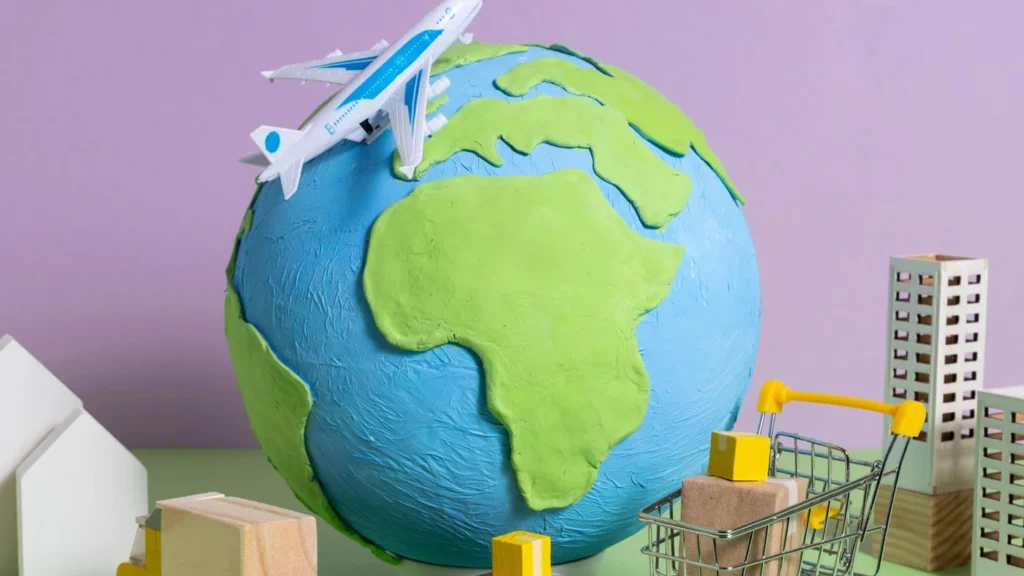
Free Trade vs. Protectionism
As with all theories, there are opposing views. International trade has two contrasting views regarding the level of control placed on trade between countries.
Free Trade
Free trade is the simpler of the two theories. This approach is also sometimes referred to as laissez-faire economics. With a laissez-faire approach, there are no restrictions on trade.
The main idea is that supply and demand factors, operating on a global scale, will ensure that production happens efficiently. Therefore, nothing must be done to protect or promote trade and growth because market forces will do this automatically.
Protectionism
Protectionism holds that regulation of international trade is important to ensure that markets function properly. Advocates of this theory believe that market inefficiencies may hamper the benefits of international trade, and they aim to guide the market accordingly.
Protectionism exists in many different forms, but the most common are tariffs, subsidies, and quotas. These strategies attempt to correct any inefficiency in the international market.
As international trade opens up the opportunity for specialization, and thus more efficient use of resources, it has the potential to maximize a country’s capacity to produce and acquire goods.
Opponents of global free trade have argued, however, that international trade still allows for inefficiencies that leave developing nations compromised. What is certain is that the global economy is in a state of continual change. Thus, as it develops, so too must its participants.
What Are the Benefits of International Trade for a Business?
The benefits of international trade for a business are a larger potential customer base, meaning more profits and revenues, possibly less competition in a foreign market that hasn’t been accessed as yet, diversification, and possible benefits through foreign exchange rates.
What Creates the Need for International Trade?
International trade arises from the differences in certain areas of each nation. Typically, differences in technology, education, demand, government policies, labor laws, natural resources, wages, and financing opportunities spur international trade.
What Are Common Barriers to International Trade?
The barriers to international trade are policies that governments implement to prevent international trade and protect domestic markets. These include subsidies, tariffs, quotas, import and export licenses, and standardization.
The Bottom Line
The world economies have become more intertwined through globalization and international trade is a major part of most economies. It provides consumers with a variety of options and increases competition so that businesses must produce cost-efficient and high-quality goods, benefiting these consumers.
Nations also benefit through international trade, focusing on producing the goods they have a comparative advantage in. Though some countries limit international trade through tariffs and quotas to protect domestic businesses, international trade has been shown to benefit economies as a whole.



WeChat
Scan the QR Code with WeChat