 WPPOP International Trading Co., Ltd.
Currency fluctuations can have wide-ranging impacts on the economy. They can affect commerce, economic growth, capital flows, inflation, or interest rates. The strength or weakness of the underlying economy typically determines a currency’s exchange rate.
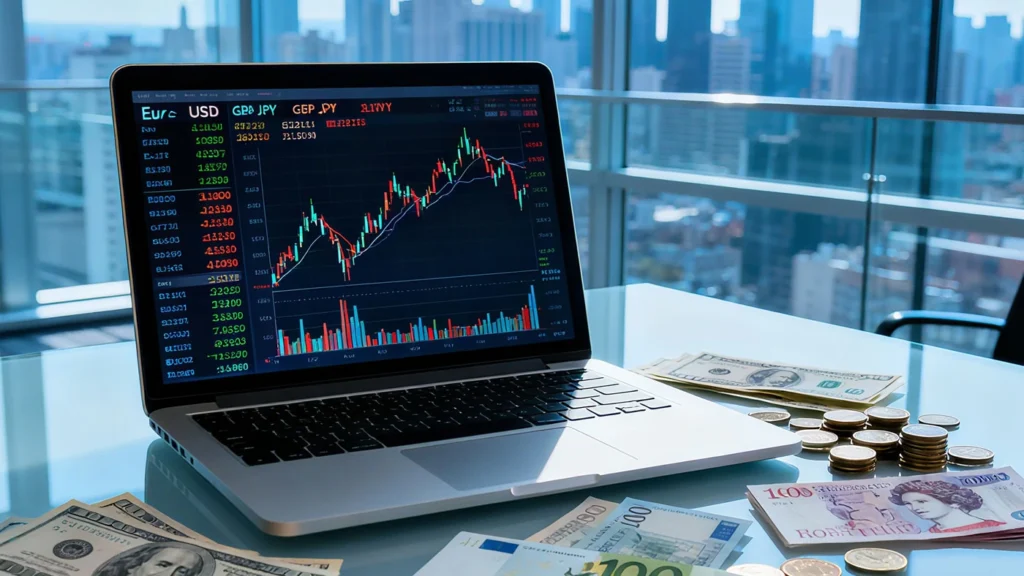
Key Takeaways
- Investors can hedge their foreign currency risk via instruments such as futures, forwards, and options.
- Investors can benefit from a weak dollar by investing in overseas equities.
- The foreign exchange market (FOREX) is the most actively traded in the world.
Exchange Rates
Individuals might follow exchange rates when traveling to a foreign country, making import payments, or collecting overseas remittances. The value of the domestic currency in the foreign exchange market is a key consideration for central banks when they set monetary policy.
A strong currency can exert a significant drag on the economy over the long term, as entire industries are rendered noncompetitive and thousands of jobs are lost. While some might prefer a strong currency, a weak currency can result in more economic benefits.
Directly or indirectly, currency levels affect the interest rates consumers pay on mortgages, the returns on their investment portfolios, the price of groceries, and even their job prospects.
Trade
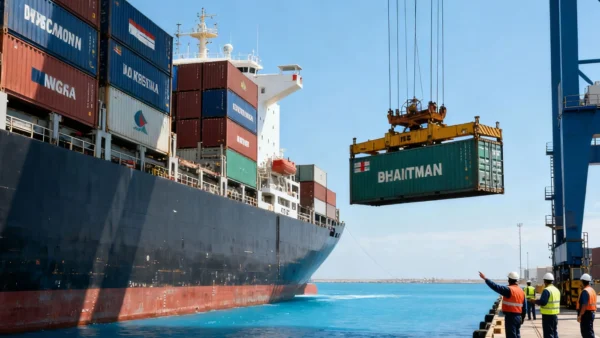
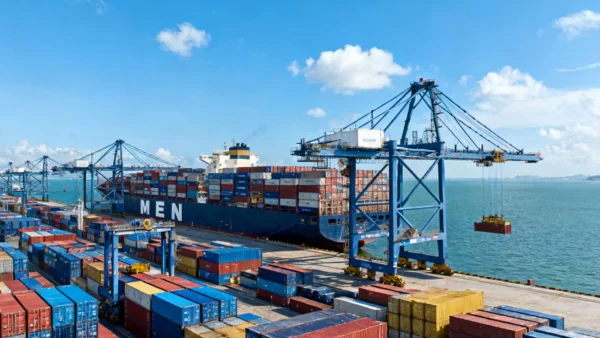
In general, a weaker currency makes imports more expensive, while stimulating exports by making them cheaper for overseas customers to buy. A weak or strong currency can contribute to a nation’s trade deficit or trade surplus over time.
Assume a U.S. exporter sells widgets at $10 each to a buyer in Europe. The exchange rate is €1=$1.25. Therefore, the cost to the European buyer is €8 per widget. If the dollar weakens, assume the exchange rate is €1 = $1.35. The buyer will want to negotiate a better price, and the seller can afford to give them a break while still clearing at least $10 per widget. Even if the new price is €7.50 per widget, which is a 6.25% discount from the buyer’s perspective, the cost is $10.13 at the current exchange rate.
A weak U.S. dollar allows the export business to remain competitive in international markets. Conversely, a stronger currency can reduce export competitiveness and make imports cheaper, which can cause the trade deficit to widen further, eventually weakening the currency in a self-adjusting mechanism.
GDP and Currency
The basic formula for an economy’s Gross Domestic Product (GDP) is:
GDP=C+I+G+(X−M)where:C= Consumption or consumer spending, the biggest component of an economyI=Capital investment by businesses and householdsG=Government spending(X−M)=Exports−Imports, or net exportsGDP=C+I+G+(X−M)where:C= Consumption or consumer spending, the biggest component of an economyI=Capital investment by businesses and householdsG=Government spending(X−M)=Exports−Imports, or net exports
From this equation, it is clear that the higher the value of net exports, the higher a nation’s GDP. Net exports have an inverse correlation with the strength of the domestic currency.
Capital Flows
Foreign capital tends to flow into countries that have strong governments, dynamic economies, and stable currencies. A nation needs a relatively stable currency to attract capital from foreign investors. Otherwise, the prospect of exchange-rate losses inflicted by currency depreciation may deter overseas investors.
There are two types of capital flows: foreign direct investment (FDI), in which foreign investors take stakes in existing companies or build new facilities in the recipient market; and foreign portfolio investment, in which foreign investors buy, sell, and trade securities in the recipient market.
Governments may prefer FDI to foreign portfolio investments because the latter is hot money that can leave the country quickly when conditions weaken.




WeChat
Scan the QR Code with WeChat