 WPPOP International Trading Co., Ltd.
Foreign trade refers to the import and export of goods and services between countries. It enables nations to access products they don’t produce domestically while selling what they have in surplus. International trade, in a broader sense, includes not only the exchange of goods and services but also the policies, regulations, and global partnerships that facilitate this exchange.
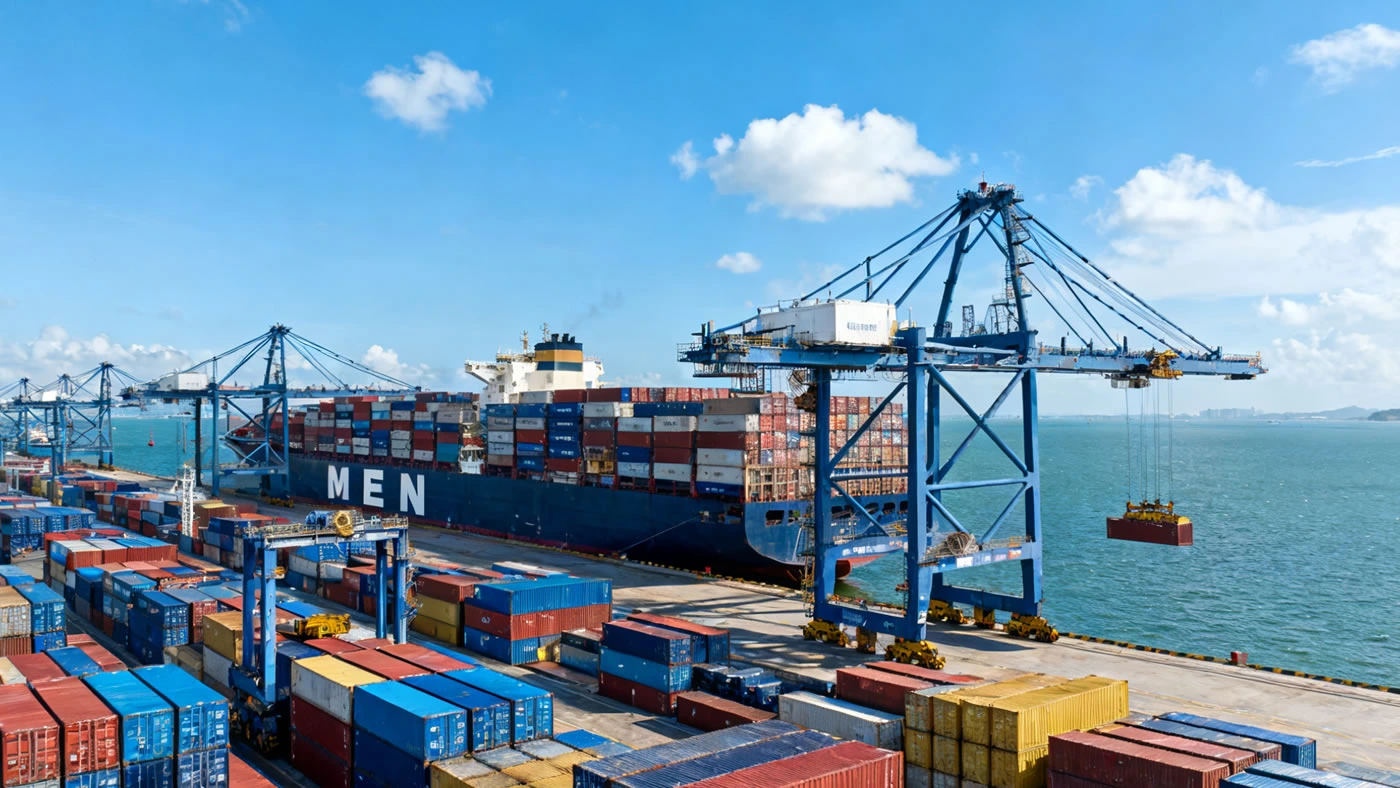
Foreign trade vs international trade are often used interchangeably, but understanding their differences is essential—especially if you’re involved in global logistics, international business, or foreign trade operations. Whether you’re an importer, exporter, or trade assistant, this guide will help you navigate how foreign trade works in Chile and why it’s a key player on the global stage.
International trade is the purchase and sale of goods and services by companies in different countries. Consumer goods, raw materials, food, and machinery all are bought and sold in the international marketplace.
International trade allows countries to expand their markets and access goods and services that otherwise may not have been available domestically. As a result of international trade, the market is more competitive.
Key Takeaways
- Critics argue that international trade can be harmful to smaller nations, putting them at a disadvantage on the world stage.
- International trade allows consumers and countries to be exposed to goods and services that are not available in their own countries, or that are more expensive domestically.
- The importance of international trade was recognized early on by political economists such as Adam Smith and David Ricardo.
Understanding International Trade
If you can walk into a supermarket and find Costa Rican bananas, Brazilian coffee, and a bottle of South African wine, you’re experiencing the impacts of international trade.
International trade was key to the rise of the global economy. In the global economy, supply and demand—and thus prices—both impact and are impacted by global events.
Political change in Asia, for example, could increase the cost of labor. This could increase the manufacturing costs for an American sneaker company that is based in Malaysia, which would then increase the price charged for a pair of sneakers that an American consumer might purchase at their local mall.
Imports and Exports
A product that is sold to the global market is called an export, and a product that is bought from the global market is an import. Imports and exports are accounted for in the current account section of a country’s balance of payments.
Different countries are endowed with different assets and natural resources, such as land, labor, capital, and technology. Global trade allows wealthy countries to use their resources more efficiently.
This also allows some countries to produce the same good more efficiently; in other words, more quickly and at a lower cost. Therefore, they may sell it more cheaply than other countries might. If a country cannot efficiently produce an item, it can obtain it by trading with another country that can. This is known as specialization.
Comparative Advantage
England and Portugal have historically been used—as far back as in Adam Smith’s “The Wealth of Nations”—to illustrate how two countries can mutually benefit by specializing and trading according to their own comparative advantages.
According to international trade theory, even if a country has an absolute advantage over another, it can still benefit from specialization.
This can ultimately result in more competitive pricing and cheaper products. Some countries engage in national treatment of imported goods, treating them as equivalent to those same products produced domestically.




您好,这是一条评论。若需要审核、编辑或删除评论,请访问仪表盘的评论界面。评论者头像来自 Gravatar。